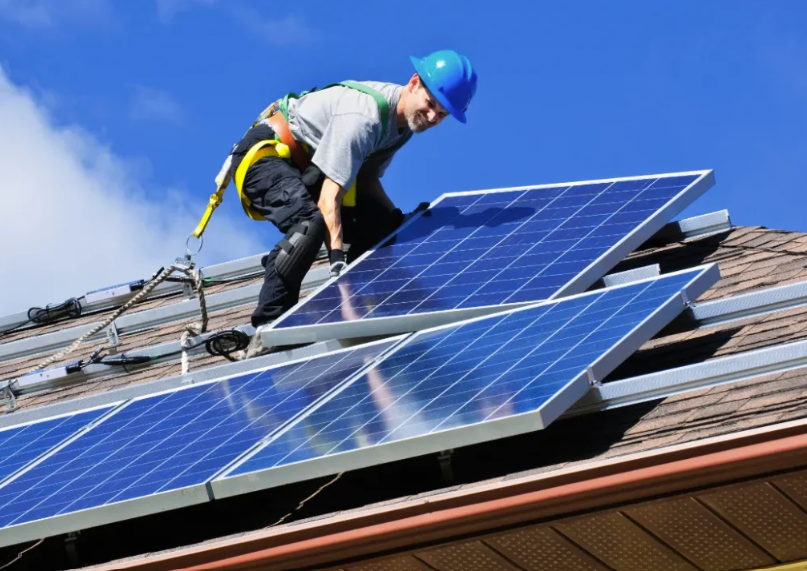

Residential solar power systems introduce additional electrical components that must operate safely alongside existing household distribution equipment.
Solar panels generate electrical energy, while inverters and associated protection equipment manage how that energy is delivered to compatible electrical circuits.
Before installing a residential solar system, it is important to evaluate the electrical panel and the broader service configuration.
How Solar Power Connects to a Home
Most residential solar systems use photovoltaic modules to produce direct-current electricity.
An inverter converts this electricity into alternating current suitable for compatible household electrical systems.
Depending on the installation, solar generation may connect through designated breakers, service equipment, or other approved interconnection arrangements.
The design must follow applicable electrical codes and utility requirements.
Why Electrical Panel Compatibility Matters
An electrical panel is designed for particular electrical ratings and connection arrangements.
Adding a solar power source can affect how current flows through certain conductors and bus bars.
The system must be evaluated to determine whether the proposed interconnection is permitted.
Bus Bar Ratings
Panel bus bars have specified current ratings.
Solar interconnections must follow applicable rules that account for the utility supply, inverter output, and equipment configuration.
Backfeed Connections
Some solar systems supply electricity through a designated breaker.
The breaker location, rating, and suitability depend on the panel design and applicable installation requirements.
Not every electrical panel supports every proposed connection method.
Electrical Protection for Solar Installations
Solar electrical systems may require disconnecting equipment, overcurrent protection, grounding, bonding, and surge protection.
Certain installations also require rapid shutdown functions and other specialized safety features.
Equipment requirements depend on system design and jurisdiction.
Solar Power and Household Electricity Demand
Solar generation can reduce the amount of electricity purchased from the utility over time.
However, generating electricity does not automatically increase the safe capacity of a household electrical service.
The distribution equipment must still be suitable for the connected loads and power sources.
Evaluating Older Electrical Panels
Before a solar installation, an electrician may examine existing electrical distribution equipment.
The assessment can include service ratings, panel condition, available connection methods, and grounding arrangements.
If an existing panel cannot safely accommodate the proposed solar configuration, electrical panel replacement Chicago may be evaluated as one option, although alternative approved interconnection methods may also be available.
The selected solution should be based on engineering requirements and local electrical standards.
Battery Storage Considerations
Some homeowners combine solar generation with battery energy storage.
Battery systems introduce additional equipment, operating modes, and safety requirements.
Certain configurations provide backup power during utility outages, while others are primarily designed for energy management.
Appropriate isolation and transfer arrangements are necessary to prevent unsafe interactions with the utility system.
The Importance of Professional Design
Solar interconnection work requires coordination between electrical equipment, generation systems, protective devices, and utility requirements.
Improper installation may create hazards for occupants and utility workers.
Qualified professionals should design and install the system and obtain required approvals.
Conclusion
Electrical panels are important components in residential solar power installations.
Their ratings, condition, and interconnection capabilities influence the design of solar generation and battery systems.
Professional planning helps ensure that renewable energy equipment integrates safely with existing household electrical infrastructure.